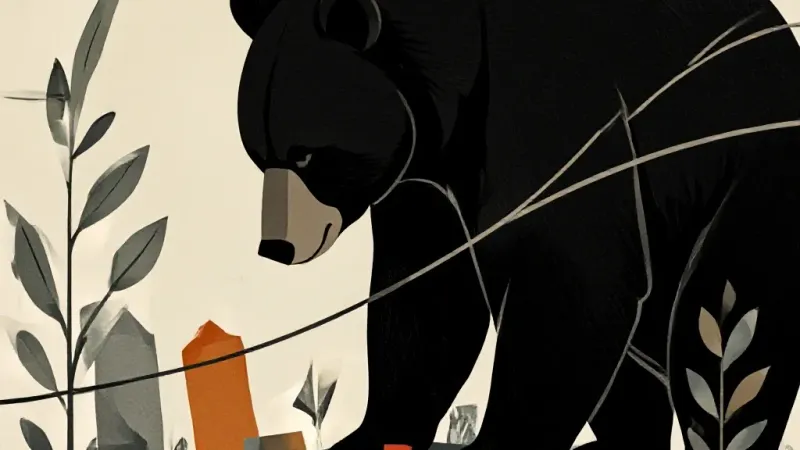
GATLINBURG, Tenn. – A bear previously rescued from the roof of Bubba Gump Shrimp Co. in Gatlinburg last year has been found shot dead in a local creek, according to officials. The Tennessee Wildlife Resources Agency (TWRA) confirmed the identity of the bear and indicated it believed the animal had been shot in a manner intended to allow it to wander off before succumbing to its injuries. The death of the well-known bear has prompted a bear advocate and a wildlife biologist to highlight an ongoing problem of bears becoming conditioned to human food sources in the area.
Paulette Cloutier, a wildlife photographer and advocate, stated she had been tracking the bear since its rescue from the restaurant roof last November. She contacted the TWRA after observing social media posts about a deceased bear in a Gatlinburg creek. The agency subsequently confirmed to Cloutier that it was the same bear. Cloutier described the situation as "heartbreaking, and it's avoidable," emphasizing that such incidents and the need to put down bears are often a result of human behavior. She noted that the bear was recognized by many in the community, calling it "kind of a little celebrity," which led to significant upset and outrage when news of its death spread.
Daryl Ratajczak, a wildlife biologist who formerly led Appalachian Bear Rescue and worked for the TWRA, also recognized the bear from social media posts following its rescue last year. Ratajczak stressed that bears accustomed to human food or garbage face increased dangers, including poisoning, vehicular accidents, and being shot. While he refrained from speculating on the specific cause of this bear's death, Ratajczak generally asserted that bears associating too closely with people face a heightened risk of death through human conflict. He stated that in almost all such situations, the core issue is the bear's excessive association with people, whether due to seeking potential food sources or no longer perceiving humans as a threat.
The decision to release the bear close to its capture location following its rescue was made in accordance with research on bear relocation outcomes. Ratajczak explained that while some believe capturing and moving a bear to another area is a simple solution, studies indicate this is not always feasible. Bears often attempt to return home, increasing their exposure to dangers like vehicle collisions or other conflicts. Gatlinburg and its surrounding areas, Ratajczak noted, offer limited options for relocating bears away from human populations. Once a bear becomes "food conditioned," its options become extremely limited.
Cloutier advocated for enhanced public education and stricter enforcement regarding the feeding of bears and the proper securing of trash. She suggested that fining individuals who feed bears or leave trash accessible could prevent bears from seeking food in crowded areas.
Ratajczak advised property owners who experience repeated bear visits to identify the underlying reason for the bear's return, such as access to food, garbage, or pet/livestock feed, rather than merely attempting to scare the animal away. He emphasized the importance of addressing the root cause rather than just the symptoms.
Both Cloutier and Ratajczak acknowledged that identifying the individual responsible for shooting the bear will likely be challenging. Cloutier cited the unknown distance the bear may have wandered from where it was injured to where it died. Ratajczak added that if the TWRA can determine the type of bullet or firearm used, it could help ascertain whether the shooting was related to hunting or a frustrated landowner. The TWRA has confirmed that hunting season was active in Sevier County at the time of the shooting, but the agency does not know if the bear was a hunting target. Intentionally wounding an animal without the intent to recover it is illegal, according to the TWRA.